Ceramic matrix composite brake discs are now helping performance cars shed weight without losing stopping power. These advanced brakes replace traditional cast iron parts with a lighter yet stronger alternative. Automakers say the switch cuts unsprung mass significantly, which improves handling and acceleration.
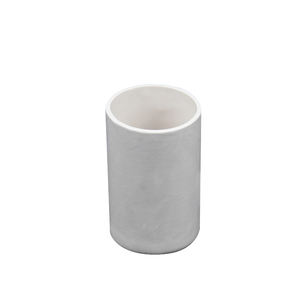
(Ceramic Matrix Composite Brake Discs Reduce Weight in Performance Automobiles)
The new discs use a blend of carbon fiber and ceramic materials. This mix resists heat better than metal and lasts longer under heavy use. Drivers notice less brake fade during aggressive driving or repeated stops. That makes them ideal for high-performance vehicles and track-focused models.
Weight reduction is a key benefit. Each disc can weigh up to 60% less than its iron counterpart. That drop in mass helps the car respond faster to steering inputs and reduces strain on suspension components. It also contributes to better fuel efficiency and lower emissions over time.
Manufacturers report that despite the higher upfront cost, demand is rising. Enthusiasts and luxury brands alike see value in the performance gains. The technology, once limited to supercars, is now appearing in more mainstream performance models.
Testing shows these brakes perform well in both daily driving and extreme conditions. They produce less dust, stay cleaner, and require less maintenance. Noise levels remain low, matching or beating conventional systems in comfort.
Suppliers are scaling up production to meet growing orders. New facilities are coming online to support wider adoption across vehicle segments. Engineers continue refining the manufacturing process to bring costs down further.
(Ceramic Matrix Composite Brake Discs Reduce Weight in Performance Automobiles)
Car makers stress that safety remains a top priority. Every disc undergoes rigorous quality checks before installation. Real-world data confirms reliability matches or exceeds industry standards. Drivers get consistent performance mile after mile.