A new thermal interface solution is now available for high-power GaN-on-SiC power amplifiers used in 5G base stations. The product uses boron nitride ceramic plates to manage heat more effectively. These plates offer high thermal conductivity and electrical insulation, which are critical for reliable amplifier performance.

(Boron Nitride Ceramic Plates for Thermal Interface for High Power GaN on SiC Power Amplifiers for 5G Base Stations)
Heat buildup is a major challenge in 5G infrastructure. Power amplifiers generate significant heat during operation. If not controlled, this heat can reduce efficiency and shorten device life. Boron nitride ceramic plates help by moving heat away from sensitive components quickly and safely.
The material is stable at high temperatures and does not degrade over time. It also resists thermal shock, which makes it suitable for outdoor and industrial environments. Engineers can integrate these plates directly into existing amplifier designs without major changes.
Manufacturers report that using boron nitride ceramic plates leads to lower operating temperatures and improved signal stability. This results in better overall system performance and longer maintenance intervals. The plates are also lightweight and easy to handle during assembly.
Demand for efficient thermal management is growing as 5G networks expand. Base stations must support higher data rates and more users. This puts extra stress on power electronics. Solutions like boron nitride ceramic plates address this need with proven reliability.
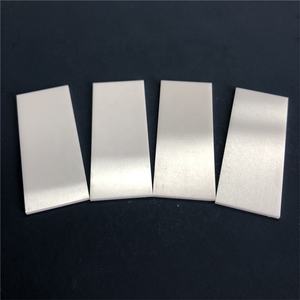
(Boron Nitride Ceramic Plates for Thermal Interface for High Power GaN on SiC Power Amplifiers for 5G Base Stations)
Suppliers are now scaling up production to meet rising demand from telecom equipment makers. The plates are available in standard and custom sizes. They comply with industry safety and performance standards. Early adopters say the switch has simplified their thermal design process and reduced costs.