A new advance in continuous casting technology is helping steelmakers improve efficiency and reduce downtime. Boron nitride ceramic tubes are now being used as core tubes in the production of hollow billets. These tubes handle extreme heat better than traditional materials. They resist thermal stress during casting, which keeps operations running smoothly.
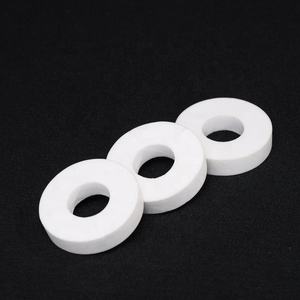
(Boron Nitride Ceramic Tubes for Core Tubes in Continuous Casting of Hollow Billets Resist Thermal Stress)
Continuous casting requires parts that can take sudden temperature changes without cracking. Standard ceramics often fail under these conditions. Boron nitride offers a stronger solution. It stays stable even when temperatures shift quickly. This means fewer breaks and less maintenance for foundries.
The tubes are made from high-purity boron nitride. This material has low thermal expansion and high thermal conductivity. Both traits help it manage heat evenly. As a result, the casting process becomes more consistent. Quality improves because the core tube does not warp or degrade during use.
Steel producers using these tubes report longer service life and better performance. The tubes also help maintain precise internal dimensions of hollow billets. This reduces the need for rework and saves material. Fewer defects mean higher yields and lower costs.
Boron nitride ceramic tubes are compatible with existing continuous casting setups. They fit into current systems without major changes. This makes adoption easy for plants looking to upgrade. Suppliers are scaling up production to meet growing demand from the steel industry.
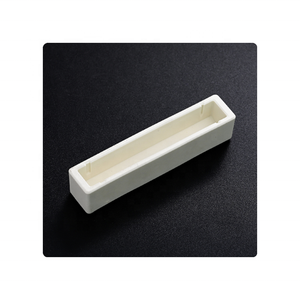
(Boron Nitride Ceramic Tubes for Core Tubes in Continuous Casting of Hollow Billets Resist Thermal Stress)
These tubes mark a practical step forward in high-temperature industrial applications. Their reliability under stress supports more efficient metal production. Companies choosing this material gain a clear edge in performance and cost control.